
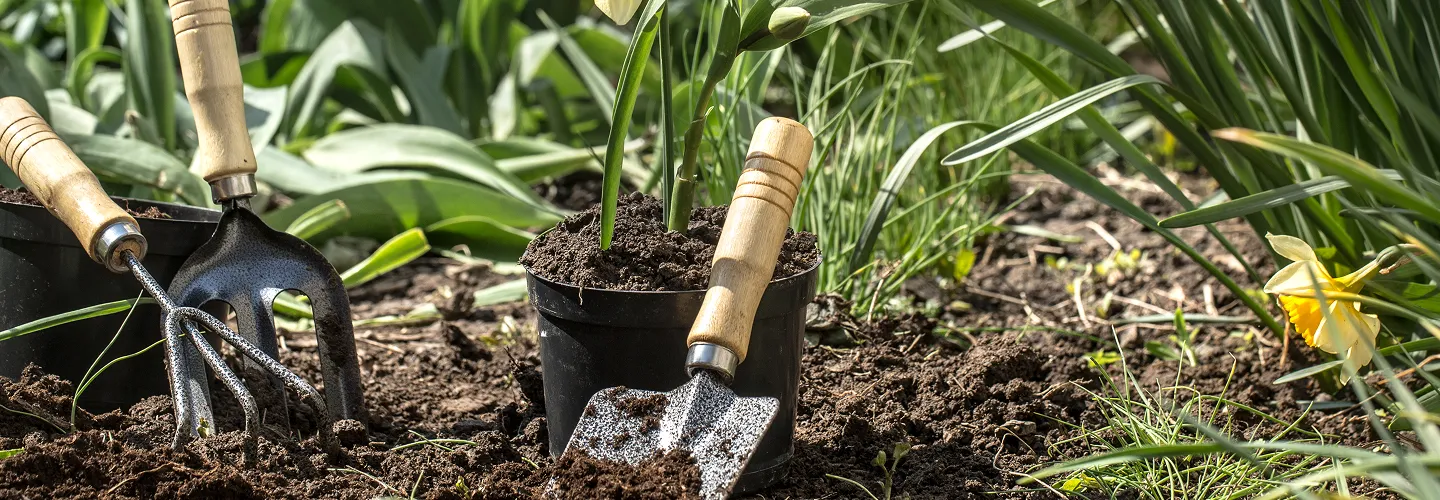
Cave Creek Weed Control Services
Choose our expert weed control services for reliable, long-lasting results that protect your property and enhance your curb appeal. Our experienced team uses safe, effective methods tailored to Cave Creek’s unique environment, ensuring your outdoor spaces stay beautiful and weed-free all year round.
Get a Free QuoteOur Cave Creek Landscaping & Yard Care Services
When to Schedule Weed Control in Cave Creek, Arizona – Seasonal Guide
In Cave Creek, Arizona, timing your weed control services is crucial for maintaining a healthy and attractive landscape. The region’s unique Sonoran Desert climate—with its hot, dry summers and mild winters—means that weed growth patterns differ from those in other parts of the country. Optimal weed control typically occurs in early spring (February to April) and again in late summer to early fall (September to October), when temperatures are moderate and weeds are most vulnerable. Areas near Spur Cross Ranch Conservation Area or the Tatum Ranch neighborhood may experience different weed pressures due to microclimates and varying soil types.
Local environmental factors such as the last frost date (usually late February), extended drought periods, and the prevalence of rocky or sandy soils all play a role in determining the best time for treatment. Shade coverage from mature mesquite or palo verde trees, as seen in neighborhoods like Rancho Mañana, can also affect weed emergence and persistence. For more information on local regulations and best practices, consult resources like the Town of Sudbury’s environmental guidelines, which offer helpful insights even for Cave Creek residents.
Local Factors to Consider for Weed Control in Cave Creek
- Tree density and shade coverage (e.g., mature desert landscaping)
- Soil composition (rocky, sandy, or clay-heavy areas)
- Seasonal precipitation and drought risk
- Proximity to washes, trails, or conservation areas
- Municipal restrictions or HOA guidelines
- Terrain slope and drainage patterns
Benefits of Weed Control in Cave Creek

Enhanced Curb Appeal
Healthier Landscapes
Reduced Maintenance Time
Prevention of Invasive Species
Improved Soil Quality
Long-Term Cost Savings
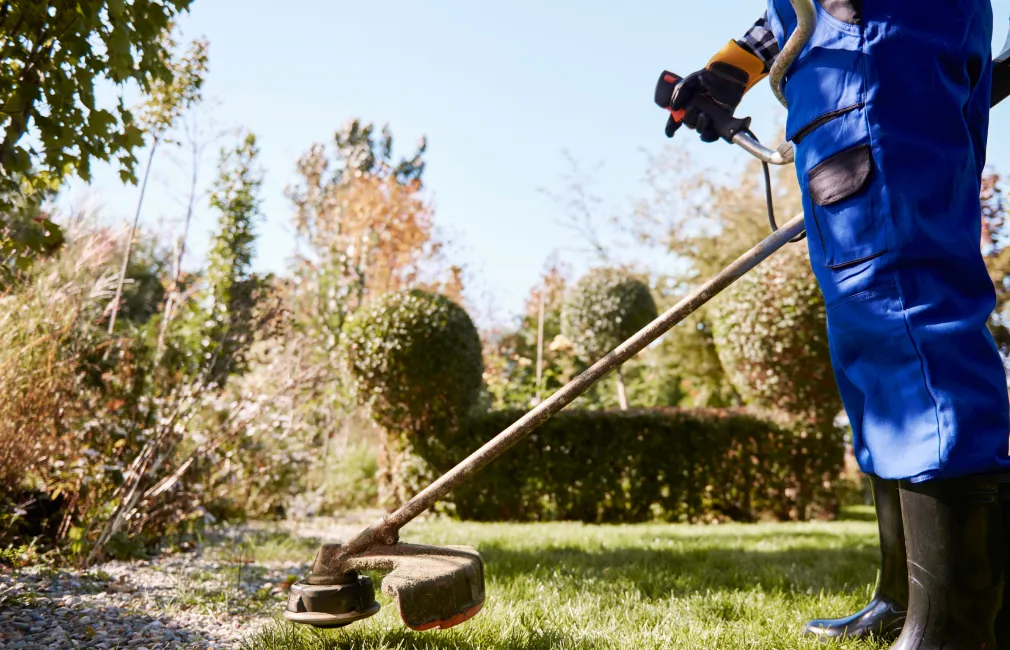
Cave Creek Weed Control Types

Pre-Emergent Weed Control
Pre-emergent treatments prevent weed seeds from germinating in your landscape.
-
Post-Emergent Weed Control
Post-emergent solutions target and eliminate existing weeds in lawns and garden beds.
-
Manual Weed Removal
Hand-pulling and mechanical methods remove weeds without chemicals for precise control.
-
Organic Weed Control
Eco-friendly options use natural products to manage weeds safely in your landscape.
-
Selective Herbicide Application
Selective herbicides target specific weed species while preserving desirable plants.
-
Non-Selective Herbicide Application
Non-selective herbicides eliminate all vegetation in targeted areas for total weed removal.
-
Mulching for Weed Suppression
Applying mulch helps block sunlight and reduce weed growth in landscaped areas.
Our Weed Control Process
Site Evaluation
Weed Identification
Treatment Application
Follow-Up Inspection
Why Choose Cave Creek Landscape Services
-
Cave Creek Homeowners Trust Us
-
Expert Lawn Maintenance
-
Reliable Irrigation Solutions
-
Comprehensive Weed Control
-
Competitive Pricing
-
Professional Team
-
Satisfaction Guarantee
Coordinating Weed Control Efforts with Cave Creek's Public Works and Engineering Departments
Weed control in Cave Creek requires coordination with municipal departments that oversee rights-of-way, drainage infrastructure, and public landscaping. The Town of Cave Creek Public Works Department maintains streets, drainage channels, and public property where weed growth can obstruct stormwater flow and compromise infrastructure integrity. Property owners and managers should verify current town requirements before applying herbicides near rights-of-way, wash corridors, or municipal drainage inlets. When weed control activities involve grading, sediment disturbance, or work adjacent to engineered drainage features, the Engineering Department may need to review the scope to ensure stormwater conveyance is not impaired.
- Confirm whether herbicide application near town-maintained washes or drainage easements requires coordination with Public Works
- Avoid depositing weed debris, soil, or chemical residue into curb inlets, retention basins, or wash channels
- Contact Engineering before any weed-related grading or soil disturbance near drainage infrastructure
Cave Creek Public Works
Official Website: Cave Creek AZ Public Works
Cave Creek Engineering
Official Website: Cave Creek AZ Engineering
How Cave Creek's Desert Soils and Monsoon Cycles Shape Weed Control Challenges
Cave Creek sits within the Phoenix metro low-desert region, classified under USDA Hardiness Zone 9b, where extreme summer heat, alkaline soils, and intense monsoon rainfall create a distinctive weed pressure cycle. The area's soils are predominantly decomposed granite and rocky desert profiles with caliche layers at varying depths, producing highly alkaline conditions that influence herbicide absorption and root penetration. Monsoon storms from July through September trigger rapid germination of summer annual weeds such as spurge, puncturevine, and Russian thistle across disturbed soils, gravel lots, and landscape edges.
- Alkaline soil pH (commonly 7.5–8.5) can reduce the effectiveness of certain pre-emergent herbicides, requiring product selection suited to calcareous conditions
- Caliche hardpan limits root depth for desirable plants while channeling surface moisture laterally, promoting weed establishment along hardscape edges and retention basin slopes
- Monsoon runoff carries weed seeds into washes, retention basins, and low-lying landscape areas, creating secondary germination zones after each storm event
- Reflected heat from walls, driveways, and decomposed granite surfaces accelerates weed seed germination in microclimates that stay warmer overnight
The USDA Web Soil Survey provides site-specific soil data for Cave Creek properties, which can help determine appropriate herbicide rates and application methods based on soil texture and organic matter content.
Navigating Cave Creek's Regulatory Framework for Herbicide Application and Stormwater Compliance
All commercial weed control applicators operating in Cave Creek must hold valid certification through the Arizona Department of Agriculture – Office of Pest Management, as required under Arizona Revised Statutes Title 3. The state maintains a list of noxious weeds that property owners are obligated to control, including species such as buffelgrass and Sahara mustard that are increasingly present in the Sonoran Desert foothills surrounding Cave Creek. Herbicide applications must also comply with Arizona DEQ stormwater regulations, which prohibit the discharge of pesticides, sediment, or chemical-laden runoff into storm drains and natural washes under the Clean Water Act.
- Verify that any hired applicator holds current Arizona pest management certification and carries appropriate insurance
- Avoid herbicide application within 24 hours of forecast rainfall to prevent wash contamination and product loss
- Properties adjacent to Cave Creek Wash or other natural drainage corridors should use targeted spot-treatment methods rather than broadcast spraying
- The Town's Conservation Resources program provides guidance on environmentally responsible land management practices near open space and natural areas
Cave Creek Conservation Resources
Official Website: Cave Creek AZ Conservation Resources
Timing Pre-Emergent and Post-Emergent Weed Control Around Cave Creek's Heat and Rain Patterns
Effective weed control in Cave Creek depends on aligning treatment windows with the area's two primary weed germination seasons. Winter annual weeds, including filaree, London rocket, and Mediterranean grass, germinate after fall rains when soil temperatures drop below approximately 70°F, typically between late September and early November. Summer annual weeds emerge rapidly following the first monsoon moisture in July, requiring a separate pre-emergent application timed to late May or early June before soil moisture triggers germination.
- Fall pre-emergent applications should target late September through mid-October, applied to dry soil and watered in lightly to activate the herbicide barrier before winter rains arrive
- Spring post-emergent treatments address any winter annuals that escaped the fall barrier, ideally applied before seed set occurs in March or April
- Summer pre-emergent timing requires application before monsoon onset, with product selection accounting for the alkaline soil conditions described in the University of Arizona Cooperative Extension turf management resources
- Integrated pest management (IPM) principles should guide all treatment decisions, combining mechanical removal, targeted herbicide use, and cultural practices such as maintaining dense turf cover or appropriate mulch depth to suppress weed establishment
Post-emergent herbicides should be applied during early morning hours when temperatures are below 90°F to reduce volatilization and drift risk, which is particularly important in Cave Creek's residential areas where properties border natural desert and wash corridors.
What Neighborhoods Do We Serve Throughout Cave Creek, AZ?
- Rancho Mañana – Properties in this area often feature larger desert lots with decomposed granite and native vegetation borders where seasonal weed flushes concentrate along drip-line edges and gravel transitions
- Tatum Ranch – This master-planned community includes common-area turf and individual residential landscapes where HOA appearance standards may require consistent pre-emergent weed control schedules
- Spur Cross area – Lots near the Spur Cross Ranch Conservation Area border natural desert washes, requiring careful herbicide selection to protect adjacent riparian habitat
- Cave Creek town core – Older properties along Cave Creek Road and adjacent streets may have mixed landscape types with compacted fill soils that promote weed establishment along hardscape edges
- Dove Valley Ranch – Subdivision lots with relatively uniform grading and irrigated front yards experience consistent winter annual weed pressure in turf and rock mulch areas
- Black Mountain foothills – Sloped parcels with rocky native soils and limited irrigation see concentrated weed growth in drainage swales and along road cuts after monsoon events