
Cave Creek Lawn Mowing Services
Choose our lawn mowing service for reliable, professional results that keep your yard healthy, beautiful, and hassle-free all season long.
Get a Free QuoteOur Cave Creek Landscaping & Yard Care Services
When to Schedule Lawn Mowing in Cave Creek, Arizona – Seasonal Guide
In Cave Creek, Arizona, the timing of your lawn mowing is crucial for maintaining a healthy, vibrant yard. The region’s unique Sonoran Desert climate means that grass growth patterns differ from those in cooler or more humid areas. Typically, the optimal mowing season begins in late February or early March, after the last frost, and continues through late October. During these months, lawns in neighborhoods like Tatum Ranch and near Spur Cross Ranch Conservation Area benefit from regular mowing, as warm temperatures and occasional monsoon rains spur growth.
Local environmental factors play a significant role in determining the best mowing schedule. For example, areas with dense shade from mature mesquite or palo verde trees may require less frequent mowing, while properties with sandy or rocky soil—common in Cave Creek—may need special attention to avoid scalping. Drought risk is another consideration, as extended dry spells can slow grass growth and necessitate adjustments to your mowing routine. For more information on local regulations and best practices, visit the Town of Sudbury’s resource page.
Local Factors to Consider for Lawn Mowing in Cave Creek
- Tree density and shade coverage
- Soil type (sandy, rocky, or clay)
- Seasonal precipitation and monsoon patterns
- Frost dates and temperature fluctuations
- Terrain slope and accessibility
- Municipal restrictions or watering schedules
Benefits of Lawn Mowing in Cave Creek

Professional Lawn Care Experts
Consistent Scheduling
Enhanced Curb Appeal
Time-Saving Services
Eco-Friendly Practices
Reliable Local Support
Cave Creek Lawn Mowing Types

Residential Lawn Mowing
-
Commercial Lawn Mowing
-
Seasonal Lawn Maintenance
-
Eco-Friendly Lawn Mowing
-
Large Property Mowing
-
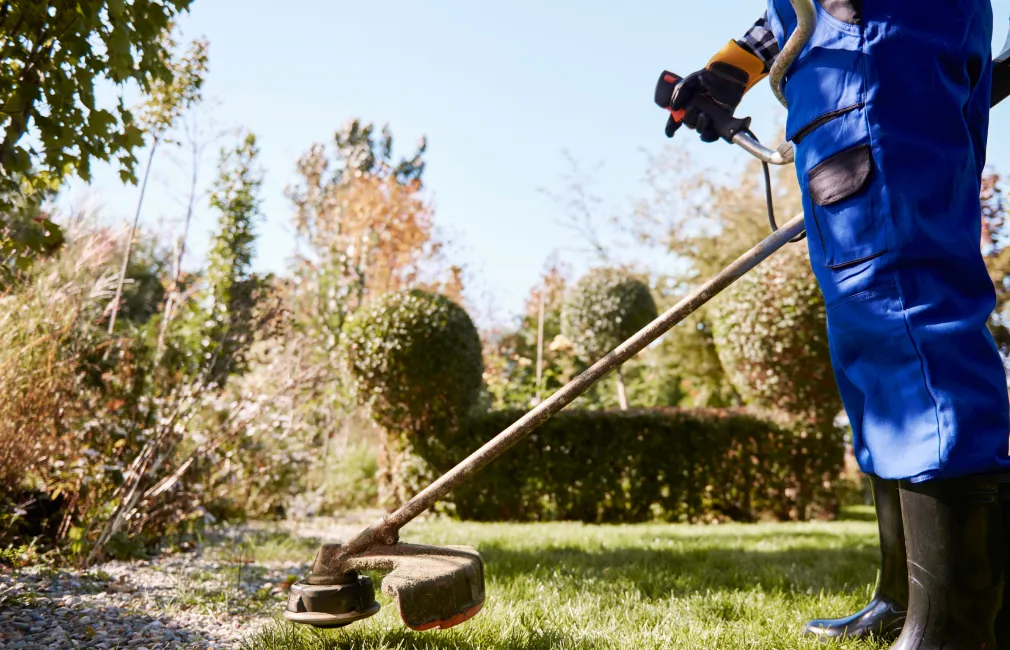
Precision Edging and Trimming
-
Weekly and Bi-Weekly Mowing Services
Our Lawn Mowing Process
Site Evaluation
Lawn Preparation
Mowing Execution
Edging and Trimming
Cleanup
Why Choose Cave Creek Landscape Services

-
Cave Creek Homeowners Trust Us
-
Expert Lawn Maintenance
-
Reliable Irrigation Solutions
-
Comprehensive Weed Control
-
Competitive Pricing
-
Professional Team
-
Satisfaction Guarantee
Coordinating Lawn Mowing Services with Cave Creek's Public Works and Parks Departments
Lawn mowing in Cave Creek requires awareness of the town's municipal processes for managing green waste, rights-of-way, and public landscape standards. The Town of Cave Creek Public Works Department oversees maintenance of streets, drainage infrastructure, and rights-of-way, which means any mowing activity that generates clippings near curb inlets, wash corridors, or town-maintained frontage must be managed to prevent debris from entering drainage systems. Residents and property managers should verify current green waste disposal procedures directly with Public Works before scheduling large-scale mowing operations, particularly on properties adjacent to town-maintained areas.
- Grass clippings must not be discharged into streets, curb inlets, or drainage channels
- Properties bordering town rights-of-way should confirm setback and maintenance boundaries
- Green waste generated from mowing should be bagged or mulched on-site rather than swept into public drainage paths
The town's Parks Department manages public open spaces and recreational areas, and its landscape standards can serve as a reference for appropriate turf maintenance practices in Cave Creek's climate.
Cave Creek Public Works Department
37622 N. Cave Creek Road, Cave Creek, AZ 85331
Official Website: Cave Creek Public Works
Cave Creek Parks Department
37622 N. Cave Creek Road, Cave Creek, AZ 85331
Official Website: Cave Creek Parks
How Cave Creek's Desert Heat and Alkaline Soils Affect Lawn Mowing Practices
Cave Creek sits in the upper Sonoran Desert within the Phoenix metro area, classified in USDA Hardiness Zone 9b to 10a. The town's elevation, slightly higher than central Phoenix, exposes turf to intense summer heat that regularly exceeds 110°F while also introducing occasional light frost events in winter. These conditions directly shape how and when lawns should be mowed.
- Soil alkalinity: Cave Creek soils are predominantly alkaline sandy loams and decomposed granite, often with caliche layers at shallow depth, which limits root penetration and affects turf vigor between mowings
- Reflected heat: Properties with block walls, concrete driveways, and decorative rock generate significant radiated heat that accelerates turf desiccation along edges, requiring adjusted mowing heights in those zones
- Monsoon runoff: During the July through September monsoon season, intense rainfall events produce rapid sheet flow across compacted desert soils, and freshly mowed turf with exposed soil can contribute sediment to washes and retention basins
- Irrigation dependence: Nearly all turf in Cave Creek relies on supplemental irrigation, and mowing schedules must be coordinated with watering cycles to avoid cutting wet grass or mowing during peak evapotranspiration hours
The University of Arizona Cooperative Extension provides region-specific guidance on turf species performance under these conditions, including bermudagrass and overseeded perennial ryegrass commonly found in Cave Creek landscapes.
Navigating Cave Creek's Stormwater and Zoning Regulations for Lawn Mowing Operations
Lawn mowing in Cave Creek intersects with several regulatory frameworks at the town and state level. The town's Engineering Department reviews drainage and stormwater flow concerns, and mowing operations that discharge clippings or sediment into washes, retention basins, or storm drain inlets may trigger compliance issues under Arizona DEQ stormwater regulations. Under the Clean Water Act, pollutant discharge into waters of the United States—including sediment-laden runoff from improperly managed turf areas—is subject to federal enforcement.
- Mowing contractors should use mulching blades or bagging attachments to prevent clipping discharge into drainage infrastructure
- Properties adjacent to natural washes or flood-control channels should maintain vegetated buffers and avoid scalping turf near channel edges
- The town's Conservation Resources program provides guidance on water conservation practices that affect irrigation scheduling around mowing
- Any herbicide or pesticide application associated with lawn care requires proper licensing through the Arizona Department of Agriculture
Property owners in planned developments should also verify HOA landscape maintenance standards, as many Cave Creek communities impose specific mowing frequency and turf appearance requirements that supplement town zoning codes. Verify current zoning-related landscape requirements through the town's Development Services office.
Cave Creek Engineering Department
37622 N. Cave Creek Road, Cave Creek, AZ 85331
Official Website: Cave Creek Engineering
Timing and Methods for Lawn Mowing in Cave Creek's Extreme Summer Conditions
Professional lawn mowing in Cave Creek demands precise timing and technique adjustments driven by the region's extreme heat cycle. The Turfgrass Maintenance Guide for Low Elevation Arizona from the University of Arizona provides detailed mowing height recommendations by turf species, which should be followed closely in this climate.
- Bermudagrass mowing height: Common bermudagrass should generally be maintained at approximately 1.5 to 2.5 inches during active summer growth; hybrid bermudagrass tolerates lower heights but requires more frequent mowing
- Overseeded ryegrass: During the cooler months when perennial ryegrass is overseeded, mowing height typically increases to approximately 2 to 3 inches to support the cool-season turf through mild frost periods
- Early morning mowing: Mowing should be completed before mid-morning during summer months to reduce heat stress on both turf and equipment operators, and to avoid cutting during peak irrigation cycles
- Clipping management: In Cave Creek's dry conditions, mulching clippings back into the turf returns moisture and nutrients to alkaline soils, but excessive clipping accumulation should be removed to prevent thatch buildup on bermudagrass
- Blade sharpness: Dull mower blades tear grass tissue, increasing water loss through damaged leaf tips—a critical concern when ambient temperatures exceed 105°F and turf is already under heat stress
Mowing frequency during peak summer growth may reach weekly or even twice-weekly intervals for bermudagrass, while winter overseeded lawns typically require mowing every 7 to 14 days depending on growth rate and irrigation volume. The Arizona Department of Water Resources recommends coordinating irrigation schedules with mowing to maximize water efficiency and reduce runoff.
What Neighborhoods Do We Serve Throughout Cave Creek, AZ?
- Rancho Mañana: This established community features larger residential lots with mature irrigated landscapes, where bermudagrass lawns require consistent mowing schedules and careful clipping management near decorative rock borders.
- Tatum Ranch: Located at the southern edge of Cave Creek, this master-planned community includes HOA-maintained common areas and individual turf yards that benefit from coordinated mowing and irrigation timing during extreme summer heat.
- Spur Cross area: Properties near Spur Cross Ranch Conservation Area often sit on sloped terrain with rocky desert soils, requiring mowing operators to manage grade changes and prevent clipping discharge toward adjacent wash corridors.
- Cave Creek town core: Older residential parcels along Cave Creek Road and surrounding streets frequently feature mixed landscapes with irrigated turf sections bordered by native desert plantings, demanding precise edging and clipping containment.
- Dove Valley Ranch: This subdivision includes compact residential lots with bermudagrass and overseeded ryegrass lawns where reflected heat from block walls and concrete intensifies turf stress between mowing cycles.
- Black Mountain foothills: Properties at higher elevations along the Black Mountain corridor experience slightly cooler overnight temperatures and occasional frost, affecting winter overseeding transitions and mowing frequency adjustments.