
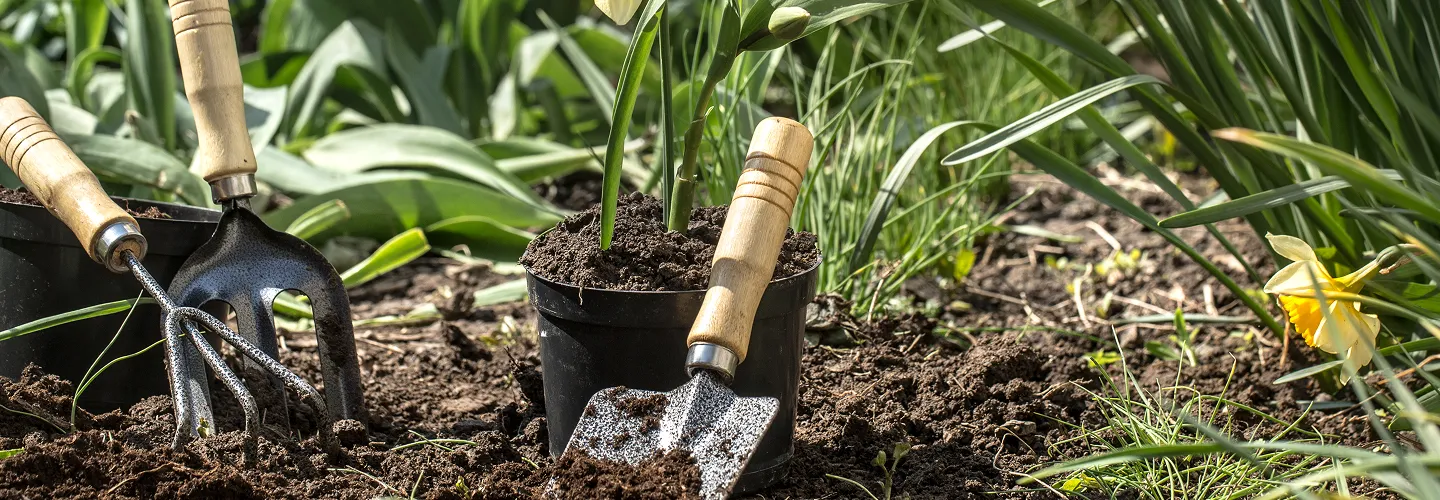
Cave Creek Fertilizing Lawn Services
Choose our fertilizing lawn services for lush, healthy grass that thrives year-round—our expert team uses premium products and proven techniques to deliver vibrant results you can see and feel.
Get a Free QuoteOur Cave Creek Landscaping & Yard Care Services
When to Schedule Fertilizing Lawn in Cave Creek, Arizona – Seasonal Guide
Fertilizing your lawn in Cave Creek, Arizona requires careful timing to ensure healthy, resilient turf throughout the year. Due to our region’s unique Sonoran Desert climate, with hot, dry summers and mild winters, the best periods for fertilization are typically early spring and late fall. These windows allow your lawn to absorb nutrients before the intense summer heat or cooler winter temperatures set in. Neighborhoods near Black Mountain and the Tatum Ranch area often experience microclimates, so it’s important to consider your specific location when planning your fertilization schedule.
Local environmental factors such as early spring frost dates, the risk of summer drought, and the sandy, alkaline soils common in Cave Creek all play a role in determining the optimal timing for lawn care. Properties with significant shade from mature mesquite or palo verde trees, or those near the Spur Cross Ranch Conservation Area, may require a different approach than open, sun-exposed lots. For more information on local regulations and best practices, visit the Town of Sudbury’s resource page.
Local Factors to Consider for Fertilizing Lawn in Cave Creek
- Tree density and shade coverage (affects soil moisture and nutrient uptake)
- Terrain and slope (impacts water runoff and fertilizer absorption)
- Seasonal precipitation patterns and drought risk
- Soil type (sandy, rocky, or clay soils require different fertilizer blends)
- Municipal watering restrictions and local ordinances
- Proximity to natural preserves or protected areas
Benefits of Fertilizing Lawn in Cave Creek
Enhanced Lawn Health
Improved Grass Color
Weed Resistance
Stronger Root Growth
Increased Drought Tolerance
Professional Local Expertise
Cave Creek Fertilizing Lawn Types

Bermuda Grass Fertilization
Specialized fertilization plans tailored for Bermuda grass lawns in Cave Creek.
-
Zoysia Grass Fertilization
Nutrient-rich treatments designed to enhance the health of Zoysia grass.
-
St. Augustine Grass Fertilization
Customized fertilizing schedules for lush and resilient St. Augustine lawns.
-
Fescue Grass Fertilization
Targeted fertilization to support the unique needs of Fescue grass.
-
Ryegrass Fertilization
Seasonal fertilizing solutions for vibrant and green Ryegrass lawns.
-
Buffalo Grass Fertilization
Eco-friendly fertilization methods for sustainable Buffalo grass growth.
-
Hybrid Lawn Fertilization
Comprehensive fertilization programs for mixed or hybrid lawn types.
Our Fertilizing Lawn Process
Soil Analysis
Fertilizer Selection
Application Scheduling
Even Fertilizer Distribution
Post-Application Inspection
Why Choose Cave Creek Landscape Services
-
Cave Creek Homeowners Trust Us
-
Expert Lawn Maintenance
-
Reliable Irrigation Solutions
-
Comprehensive Weed Control
-
Competitive Pricing
-
Professional Team
-
Satisfaction Guarantee
Coordinating Lawn Fertilization Programs with Cave Creek's Municipal Departments
Residents and property managers in Cave Creek should coordinate lawn fertilization activities with the town's infrastructure and conservation priorities. The Town of Cave Creek Public Works Department oversees drainage infrastructure, rights-of-way, and public landscaping, making it a key point of contact when fertilizer applications occur near streets, curb inlets, or drainage channels. Granular or liquid fertilizer that migrates off turf surfaces can enter the town's stormwater conveyance system, so applicators should confirm that product is kept on target and swept from hardscape immediately after application. The town's Conservation Resources page provides guidance on water conservation and environmental stewardship that directly applies to nutrient management on residential and commercial turf.
- Sweep granular fertilizer off sidewalks, driveways, and curb lines before irrigation or rainfall
- Avoid fertilizing within buffer zones adjacent to washes or retention basins
- Coordinate irrigation schedules so fertilizer is watered in without generating runoff into town drainage infrastructure
Cave Creek Public Works Department
37622 N Cave Creek Rd, Cave Creek, AZ 85331
Official Website: Cave Creek AZ Public Works
How Cave Creek's Alkaline Desert Soils Influence Lawn Fertilization Requirements
Cave Creek sits within the Phoenix metro low-desert region, classified in USDA Hardiness Zone 9b, where summer temperatures routinely exceed 110°F and soils are predominantly alkaline with pH levels often ranging from 7.5 to 8.5. The area's native soil profile frequently includes decomposed granite, rocky desert substite, and caliche layers at varying depths, all of which affect nutrient availability and root-zone chemistry. Iron chlorosis is a common symptom in turfgrass grown on these calcareous soils, as high pH locks out micronutrients even when they are present in the soil profile. According to the University of Arizona Cooperative Extension, bermudagrass is the dominant warm-season turf in low-elevation Arizona, and its nutritional demands differ significantly from cool-season grasses used during winter overseeding.
- High soil alkalinity reduces the availability of iron, manganese, and zinc, requiring chelated micronutrient supplements
- Caliche layers restrict root penetration and limit the effective depth of fertilizer incorporation
- Imported topsoil on newer subdivision lots may differ substantially from surrounding native soils, requiring site-specific soil testing
- Salinity from reclaimed or well-sourced irrigation water can compound nutrient uptake challenges in turf
Navigating Cave Creek's Stormwater and Fertilizer Compliance Requirements
Fertilizer application in Cave Creek falls under both state and federal environmental frameworks. Under the Clean Water Act, nutrients that enter stormwater conveyance systems are classified as pollutants, and the Arizona DEQ stormwater program enforces Phase II MS4 requirements that apply to urbanized areas within the Phoenix metropolitan region. Commercial applicators who apply fertilizer products containing pesticide components must hold appropriate credentials through the Arizona Department of Agriculture's licensing program. Cave Creek's Engineering Department reviews grading, drainage, and runoff concerns for properties where landscape modifications may alter stormwater flow patterns, which can be relevant when fertilization programs are paired with irrigation system changes or turf renovation.
- Fertilizer runoff into Cave Creek Wash or adjacent arroyos may trigger stormwater compliance concerns
- Commercial fertilizer applicators should verify current licensing requirements with the Arizona Department of Agriculture
- Properties adjacent to flood-control channels or retention basins should maintain vegetated buffers to filter nutrient-laden runoff
Cave Creek Engineering Department
37622 N Cave Creek Rd, Cave Creek, AZ 85331
Official Website: Cave Creek AZ Engineering
Timing Fertilizing Lawn Applications Around Cave Creek's Heat and Monsoon Cycles
Professional fertilization in Cave Creek follows a schedule dictated by turf species and the region's extreme climate patterns. The Turfgrass Maintenance Guide for Low Elevation Arizona from the University of Arizona provides research-based guidance on nutrient timing. Bermudagrass lawns benefit from nitrogen applications during active growth between April and September, with the heaviest feeding typically occurring in late spring and early summer before monsoon season intensifies. Winter ryegrass overseeded lawns require separate fertilization beginning approximately three to four weeks after germination, generally in late October or November. Monsoon storms from July through September create significant runoff risk, and fertilizer should not be applied when heavy rainfall is forecast within 24 to 48 hours.
- Apply slow-release nitrogen sources to reduce leaching and runoff during monsoon events
- Iron sulfate or chelated iron supplements address chlorosis without adding excessive nitrogen
- Water fertilizer into the root zone with a light irrigation cycle immediately after application, targeting roughly 0.25 inches of water
- Avoid fertilizing dormant bermudagrass during winter months unless overseeded with ryegrass
- Conduct soil testing through a qualified laboratory before establishing a fertilization program to identify specific nutrient deficiencies
What Neighborhoods Do We Serve Throughout Cave Creek, AZ?
- Tatum Ranch — This master-planned community features established bermudagrass lawns on relatively compact lots where reflected heat from block walls and patios intensifies turf stress and increases fertilizer volatilization risk during summer months.
- Spur Cross Ranch — Properties near the Spur Cross Ranch Conservation Area often sit on rocky native soils with limited topsoil depth, requiring careful soil amendment before fertilizer programs can be effective.
- Rancho Mañana — Larger estate lots in this area frequently include irrigated turf areas surrounded by natural desert, creating distinct hydrozoning challenges for nutrient management near wash corridors.
- Cave Creek Unified Area (Town Core) — Older residential properties along Cave Creek Road and adjacent streets may have mature turf on compacted or salt-affected soils that benefit from soil testing before fertilization.
- Dove Valley Ranch — Subdivision lots in this community typically feature builder-grade imported topsoil over native caliche, and fertilization programs should account for the shallow effective root zone common on these sites.
- Black Mountain Foothills — Sloped lots in this area present runoff challenges during fertilizer application, and nutrient movement toward downhill washes or drainage easements requires careful application rates and timing.