
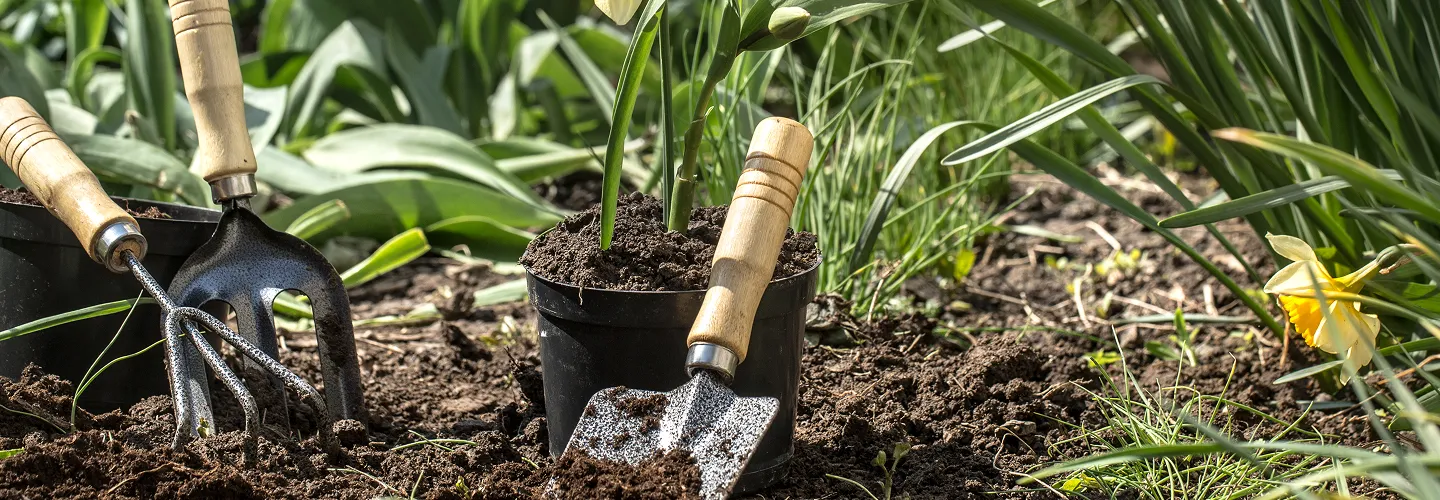
Cave Creek Flower Bed Maintenance Services
Choose our expert Flower Bed Maintenance for lush, healthy blooms and weed-free beds—enjoy a beautiful landscape without the hassle.
Get a Free QuoteOur Cave Creek Landscaping & Yard Care Services
When to Schedule Flower Bed Maintenance in Cave Creek, Arizona – Seasonal Guide
In Cave Creek, Arizona, the timing of flower bed maintenance is crucial due to the region’s unique Sonoran Desert climate. The best periods for comprehensive care are typically late winter through early spring and again in early fall. These windows allow homeowners to prepare beds before the intense summer heat and after the monsoon season, when soil moisture is more favorable and plants can recover from weather extremes. Neighborhoods near Spur Cross Ranch and the Tatum Ranch area often experience microclimates, with varying shade coverage and soil types that influence maintenance schedules.
Local environmental factors such as late-winter frost dates, prolonged drought risk, and the sandy, alkaline soils common in Cave Creek all play a role in determining the optimal timing for flower bed upkeep. For example, properties near Black Mountain may require earlier spring preparation due to cooler overnight temperatures, while homes closer to the Cave Creek Regional Park benefit from increased humidity and shade. For more information on local climate patterns and gardening resources, visit the Town of Sudbury’s resource page.
Local Factors to Consider for Flower Bed Maintenance in Cave Creek
- Tree density and shade coverage, especially in neighborhoods like Rancho Mañana
- Soil composition (sandy, rocky, or clay-heavy soils)
- Annual precipitation and monsoon timing
- Frost dates and risk of late cold snaps
- Drought conditions and water restrictions
- Terrain slope and drainage patterns
- Municipal landscaping guidelines or restrictions
Benefits of Flower Bed Maintenance in Cave Creek
Enhanced Curb Appeal
Weed and Pest Prevention
Healthier Plant Growth
Seasonal Color Management
Professional Landscape Expertise
Time and Effort Savings

Cave Creek Flower Bed Maintenance Types

Seasonal Flower Planting
Enhance your landscape with vibrant seasonal blooms tailored to Cave Creek's climate.
-
Weed Control Services
Keep your flower beds healthy and attractive with professional weed prevention and removal.
-
Soil Amendment and Fertilization
Boost plant growth and flower production with expert soil conditioning and nutrient management.
-
Mulching and Ground Cover Installation
Protect roots, retain moisture, and improve aesthetics with quality mulch and ground covers.
-
Pruning and Deadheading
Promote healthy growth and continuous blooms through regular pruning and deadheading.
-
Irrigation System Maintenance
Ensure optimal watering for your flower beds with routine irrigation checks and adjustments.
-
Pest and Disease Management
Safeguard your flowers from common pests and diseases with targeted treatments and monitoring.
Our Flower Bed Maintenance Process
Site Evaluation
Weed Removal
Soil Preparation
Plant Care
Mulching
Why Choose Cave Creek Landscape Services
-
Cave Creek Homeowners Trust Us
-
Expert Lawn Maintenance
-
Reliable Irrigation Solutions
-
Comprehensive Weed Control
-
Competitive Pricing
-
Professional Team
-
Satisfaction Guarantee
Coordinating Flower Bed Maintenance with Cave Creek's Municipal Departments and Programs
Flower bed maintenance in Cave Creek involves coordination with several town departments, particularly when work occurs near public rights-of-way, drainage corridors, or town-maintained open spaces. The Town of Cave Creek Public Works Department oversees maintenance of rights-of-way, drainage infrastructure, and public landscaping, making it the primary point of contact when flower bed work generates green waste or when beds are situated adjacent to town-managed areas. Residents and property managers should verify current green waste disposal procedures through Public Works before accumulating organic debris from seasonal bed cleanouts. The town's conservation programs also provide guidance on water-efficient landscape practices, which directly affect how flower beds are irrigated and maintained throughout the year.
- Confirm green waste handling and disposal procedures with Public Works before large-scale bed cleanouts
- Consult Cave Creek Conservation Resources for water-efficient planting and irrigation guidance
- Coordinate with Parks if flower bed maintenance borders town trail corridors or public open space
Cave Creek Public Works
37622 N. Cave Creek Road, Cave Creek, AZ 85331
Official Website: Cave Creek AZ Public Works
Cave Creek Parks
37622 N. Cave Creek Road, Cave Creek, AZ 85331
Official Website: Cave Creek AZ Parks
How Cave Creek's Desert Soils and Heat Exposure Shape Flower Bed Performance
Cave Creek sits within the upper Sonoran Desert at the northeastern edge of the Phoenix metro area, classified in USDA Hardiness Zone 9b, where summer temperatures routinely exceed 105°F and winter lows occasionally dip below freezing in higher terrain pockets. These conditions impose specific demands on flower bed maintenance that differ from lower valley locations. Soils across much of Cave Creek consist of rocky desert profiles with decomposed granite, alkaline sandy loam, and subsurface caliche layers that restrict root penetration and water movement. The USDA Web Soil Survey confirms that many parcels in the area feature shallow, gravelly soils with limited organic content.
- Alkaline pH: Soil pH commonly ranges above 7.5, which can cause iron chlorosis in non-adapted flowering species and requires careful plant selection or soil amendment
- Caliche obstruction: Hardpan caliche layers impede drainage and root development, sometimes requiring mechanical breaking or raised bed construction
- Reflected heat: South- and west-facing beds adjacent to block walls, driveways, or decorative rock absorb and radiate heat that accelerates moisture loss and stresses tender annuals
- Monsoon runoff: Intense summer storms deliver heavy rainfall in short bursts, washing mulch from beds and eroding unprotected soil surfaces near washes and slopes
Navigating Cave Creek's Zoning and Stormwater Rules for Flower Bed Projects
Property owners undertaking flower bed modifications that involve grading changes, hardscape edging near drainage paths, or alterations within setback zones should consult Cave Creek's Development Services Department for applicable review requirements. The town's zoning code may impose landscape standards in certain districts, particularly for properties adjacent to natural open space or wash corridors. Verify current requirements through the permitting office before beginning work that alters grade or drainage flow.
Stormwater compliance is a significant consideration. Under Arizona DEQ's stormwater program and the broader Clean Water Act, sediment, fertilizer, and organic debris must not be allowed to enter storm drains, washes, or retention basins. Any chemical applications within flower beds—including herbicides and fertilizers—must be performed by individuals holding appropriate credentials through the Arizona Department of Agriculture's licensing program.
- Confirm whether bed modifications near washes or drainage easements require engineering review through Cave Creek Engineering
- Prevent fertilizer and mulch runoff from entering curb inlets, arroyos, or retention areas
- Ensure all pesticide and herbicide applications comply with state applicator licensing requirements
- Review the Arizona Department of Agriculture noxious weed list to avoid introducing prohibited species through planting material
Cave Creek Development Services
37622 N. Cave Creek Road, Cave Creek, AZ 85331
Official Website: Cave Creek AZ Development Services
Timing Flower Bed Maintenance Around Cave Creek's Monsoon and Frost Cycles
Professional flower bed maintenance in Cave Creek follows a seasonal rhythm dictated by extreme heat, monsoon storms, and brief frost windows. Proper timing of each maintenance task protects plant health and prevents material waste.
- Fall planting window (October–November): The optimal period for installing cool-season annuals such as petunias, snapdragons, and pansies, allowing root establishment before winter cold snaps
- Spring transition (March–April): Remove spent cool-season flowers and prepare beds for warm-season species like vinca, lantana, and desert marigold before sustained heat arrives
- Irrigation emitter checks: Inspect drip emitters and adjust flow rates at least quarterly; the Arizona Department of Water Resources emphasizes efficient irrigation as essential to sustainable desert landscaping
- Mulch replenishment: Apply or refresh organic or decorite mulch to a depth of approximately two to three inches before monsoon season to reduce washout and moderate soil temperature
- Deadheading and weed suppression: Remove spent blooms regularly to encourage continued flowering, and hand-pull weeds before they set seed, particularly after monsoon moisture triggers germination flushes
- Pre-monsoon bed stabilization: Secure mulch borders, check bed edging integrity, and clear drainage paths so intense rainfall does not displace materials into adjacent washes or hardscape areas
Soil amendments such as sulfur or chelated iron may be necessary in Cave Creek's alkaline conditions to support flowering species that require lower pH or improved micronutrient availability. Any amendments should be incorporated into the root zone rather than surface-applied to minimize runoff risk.
What Neighborhoods Do We Serve Throughout Cave Creek, AZ?
- Rancho Mañana: Properties in this established community often feature mature desert landscaping with irrigated flower beds that require consistent emitter maintenance and seasonal replanting due to reflected heat from stucco walls and decorative rock.
- Tatum Ranch: This master-planned subdivision includes HOA-governed common areas and individual lots where flower bed standards may be subject to community guidelines, and beds near retention basins require careful runoff management.
- Spur Cross area: Parcels near Spur Cross Ranch Conservation Area sit on rocky, sloped terrain where flower beds demand raised construction, erosion-resistant edging, and drought-adapted species selection.
- Cave Creek town core: Properties along and near Cave Creek Road contend with higher foot traffic, commercial adjacency, and compact lot configurations that concentrate heat exposure on ornamental beds.
- Dove Valley Ranch: Newer subdivision lots in this area may have compacted fill soils requiring amendment before flower beds can sustain healthy root development and adequate drainage.
- Black Mountain foothills: Elevated lots along the Black Mountain corridor experience slightly cooler winter temperatures and greater frost risk, influencing the timing of annual flower installations and the selection of cold-tolerant species.