
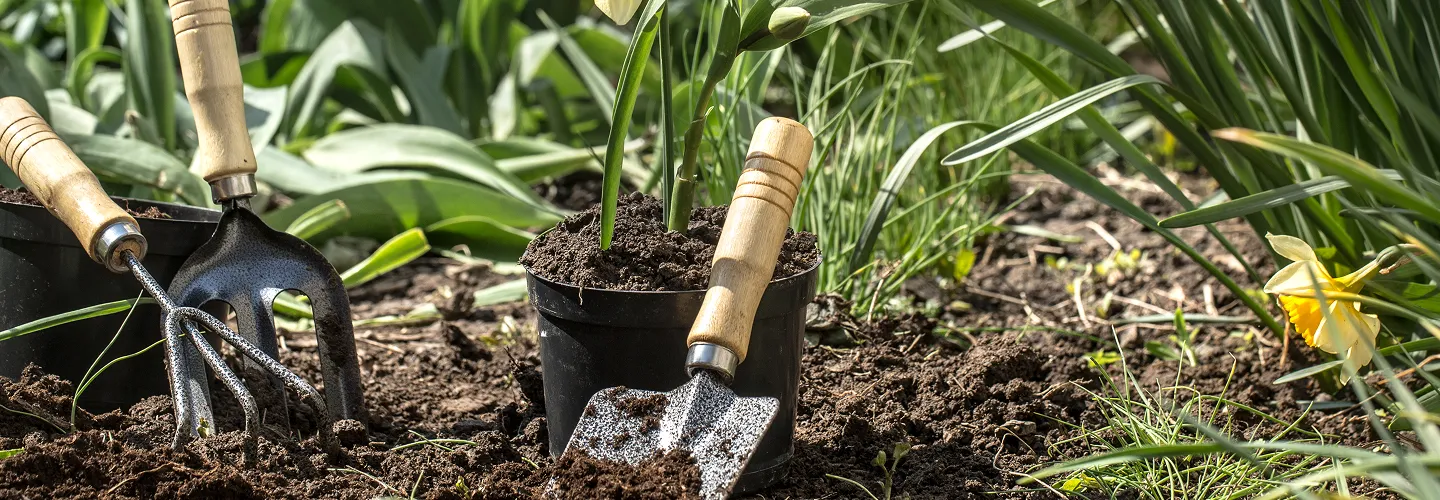
Cave Creek Flower Planting Services
Choose our flower planting services for vibrant, expertly arranged blooms that thrive in Cave Creek’s unique climate—bringing lasting beauty and curb appeal to your home or business.
Get a Free QuoteOur Cave Creek Landscaping & Yard Care Services
When to Schedule Flower Planting in Cave Creek, Arizona – Seasonal Guide
Flower planting in Cave Creek, Arizona, requires careful timing to ensure vibrant, long-lasting blooms. The region’s unique Sonoran Desert climate means that both spring and fall are optimal for planting, as these seasons offer milder temperatures and reduced risk of frost. In neighborhoods like Tatum Ranch and near landmarks such as Spur Cross Ranch Conservation Area, local gardeners often begin planting after the last frost date in early March or wait until late September when the summer heat subsides.
Cave Creek’s sandy, well-draining soils, combined with low humidity and sporadic rainfall, create both opportunities and challenges for flower planting. Drought risk is a significant consideration, especially during the peak summer months. Shade coverage from native mesquite and palo verde trees can help protect delicate blooms, while municipal guidelines—available through resources like the Town of Sudbury—may influence watering schedules and planting locations. Understanding these local factors ensures your landscape thrives throughout the year.
Local Factors to Consider for Flower Planting in Cave Creek
- Proximity to natural shade from mature desert trees
- Soil composition and drainage, especially in areas near Cave Creek Regional Park
- Annual precipitation patterns and drought advisories
- Frost dates, typically late February to early March
- Terrain variations, such as rocky outcrops or washes
- Municipal restrictions on water usage and planting
- Neighborhood-specific microclimates, like those found in Rancho Mañana
Benefits of Flower Planting in Cave Creek
Expert Local Knowledge
Customized Plant Selection
Enhanced Curb Appeal
Drought-Resistant Solutions
Seasonal Color Variety
Professional Maintenance Support
Cave Creek Flower Planting Types

Perennial Flower Beds
-
Annual Flower Displays
-
Native Wildflower Gardens
-
Drought-Tolerant Plantings
-
Seasonal Color Rotations
-
Pollinator-Friendly Gardens
-
Shade-Loving Flower Arrangements
Our Flower Planting Process
Site Evaluation
Soil Preparation
Plant Selection
Careful Planting
Watering and Mulching
Why Choose Cave Creek Landscape Services
-
Cave Creek Homeowners Trust Us
-
Expert Lawn Maintenance
-
Reliable Irrigation Solutions
-
Comprehensive Weed Control
-
Competitive Pricing
-
Professional Team
-
Satisfaction Guarantee
Coordinating Flower Planting Projects with Cave Creek's Municipal Departments
Flower planting in Cave Creek requires awareness of the town's rural character, conservation priorities, and municipal oversight of landscaping within rights-of-way and public-facing areas. The Town of Cave Creek Parks Department manages landscape standards on public property, trails, and open spaces, and residents planning flower installations adjacent to town-maintained areas should verify that plantings do not encroach on drainage corridors or public easements. For properties near washes or natural open space, the town's conservation resources program provides guidance on protecting native vegetation and minimizing disturbance to the surrounding Sonoran Desert landscape. Property managers undertaking flower planting on commercial frontage or within development sites should coordinate with Development Services to confirm that landscape plans align with approved site plans and zoning conditions.
- Confirm that flower bed installations do not obstruct drainage flow paths or retention areas
- Verify setback and landscape requirements through the town's zoning office before modifying frontage plantings
- Consult conservation resources for guidance on planting near preserved desert or wash buffers
Cave Creek Parks Department
37622 N Cave Creek Rd, Cave Creek, AZ 85331
Official Website: Cave Creek Parks
Cave Creek Development Services
37622 N Cave Creek Rd, Cave Creek, AZ 85331
Official Website: Cave Creek Development Services
How Cave Creek's Desert Soils and Climate Shape Flower Planting Success
Cave Creek sits in the upper Sonoran Desert within the Phoenix metro area, classified in USDA Hardiness Zone 9b, where summer temperatures routinely exceed 110°F and winter lows occasionally dip below freezing in higher terrain north of town. The soil profile across much of Cave Creek consists of rocky decomposed granite, alkaline sandy loam, and subsurface caliche layers that restrict root penetration and drainage. These conditions demand careful soil amendment and species selection for any flower planting project. The Arizona Department of Water Resources emphasizes low-water-use landscaping throughout the Phoenix Active Management Area, making desert-adapted and drought-tolerant flowering species the most practical choices.
- Alkaline soil pH (commonly 7.5–8.5) limits nutrient availability for acid-loving flower species
- Caliche hardpan may require mechanical breaking or raised bed construction for adequate root depth
- Reflected heat from block walls, gravel, and pavement intensifies thermal stress on flower plantings
- Monsoon storms from July through September produce sudden heavy runoff that can wash out newly installed beds
Navigating Cave Creek's Zoning and Environmental Rules for Flower Planting
Flower planting on residential lots in Cave Creek generally does not require a standalone permit, but landscape modifications tied to new construction, commercial development, or properties within specific zoning overlays may trigger review through the town's Planning and Zoning division. Properties adjacent to designated washes, floodplains, or natural area open space should verify that planting activity does not alter drainage patterns or disturb protected native vegetation. The Arizona Department of Agriculture maintains a noxious weed list, and introducing prohibited species—even ornamental varieties—can create compliance issues. Any chemical soil treatments, pre-emergent herbicides, or pest control products applied during bed preparation must be handled by appropriately licensed applicators under Arizona's pesticide licensing framework. Stormwater regulations under Arizona DEQ's MS4 program also apply; excess soil, mulch, and irrigation runoff must not discharge into washes or storm drain inlets.
- Verify landscape plan compliance with approved zoning conditions before modifying commercial or multifamily flower beds
- Avoid planting species listed on Arizona's noxious weed registry
- Prevent soil amendments, fertilizers, and mulch from entering Cave Creek Wash or tributary drainage channels
Cave Creek Planning & Zoning
37622 N Cave Creek Rd, Cave Creek, AZ 85331
Official Website: Cave Creek Planning & Zoning
Timing Flower Planting Around Cave Creek's Monsoon Season and Frost Windows
Professional flower planting in Cave Creek follows two primary installation windows dictated by the region's extreme climate. The fall window, typically mid-October through November, allows cool-season annuals such as petunias, snapdragons, pansies, and stock to establish root systems before the coldest nights in December and January. The spring window, from late February through early April, suits warm-season and desert-adapted species including lantana, vinca, desert marigold, angelita daisy, and globe mallow before sustained triple-digit heat arrives. Planting during the monsoon season (July through September) is generally avoided due to intense runoff, soil saturation swings, and fungal pressure.
- Prepare beds by amending native soil with sulfur and organic compost to lower pH and improve moisture retention
- Install drip emitters at each planting station before setting transplants to ensure immediate irrigation access
- Apply 2–3 inches of organic or decorite mulch around plantings to moderate soil temperature and reduce evaporation
- Water newly installed flowers daily for the first 7–10 days, then transition to a deeper, less frequent schedule
- Position heat-sensitive species on north- or east-facing exposures to reduce afternoon sun damage
- Group plants by water need (hydrozoning) to prevent overwatering drought-tolerant species or underwatering thirstier varieties
What Neighborhoods Do We Serve Throughout Cave Creek, AZ?
- Rancho Mañana — Properties here feature larger desert lots with natural boulder outcroppings and decomposed granite soils, requiring careful emitter placement and raised bed construction for successful flower planting.
- Tatum Ranch — This established subdivision includes HOA-maintained common areas and individual lots with mature desert landscaping where seasonal flower color can be integrated into existing drip irrigation zones.
- Spur Cross Estates — Located near Spur Cross Ranch Conservation Area, flower planting on these parcels must account for wash adjacency, native vegetation buffers, and rocky terrain.
- Cave Creek Town Core — Commercial and mixed-use properties along Cave Creek Road benefit from container and raised-bed flower installations suited to high-visibility frontage with reflected heat from pavement.
- Dove Valley Ranch — Newer subdivision lots with compacted fill soils often require soil amendment and grade correction before flower beds can be established with reliable drainage.
- Black Mountain Foothills — Sloped parcels in this area demand terraced bed design and erosion-resistant planting techniques to prevent monsoon washout of flower installations.