
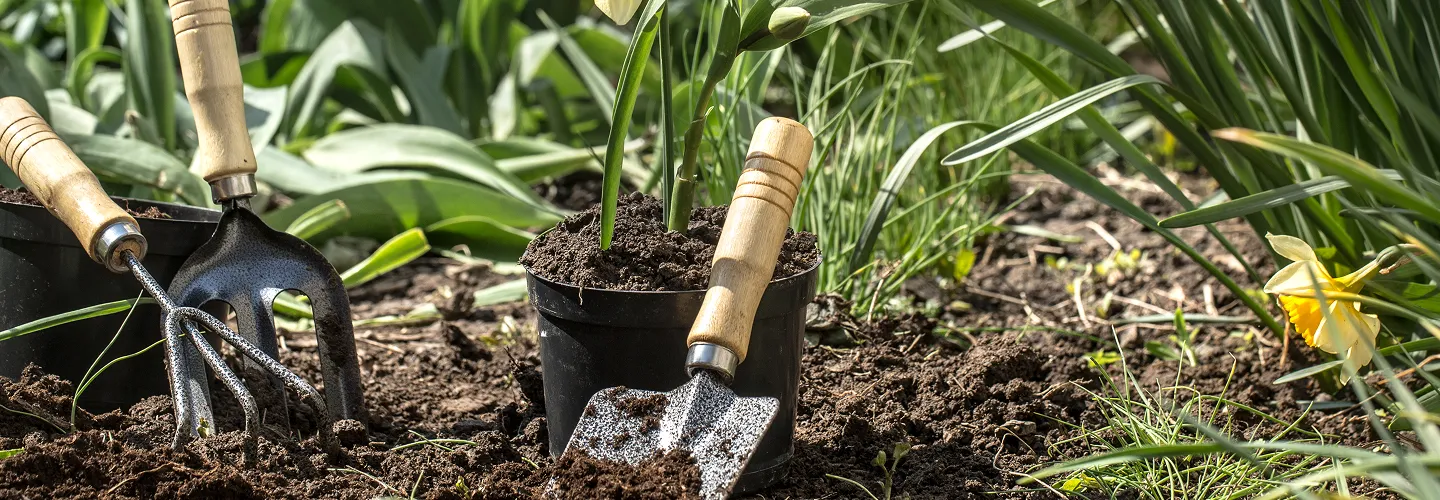
Cave Creek Plant Removal Services
Choose our plant removal experts for safe, thorough, and eco-friendly solutions that restore your landscape’s beauty and health—trusted by Cave Creek homeowners for reliable results.
Get a Free QuoteOur Cave Creek Landscaping & Yard Care Services
When to Schedule Plant Removal in Cave Creek, Arizona – Seasonal Guide
In Cave Creek, Arizona, the timing of plant removal is crucial for both the health of your landscape and compliance with local guidelines. The region’s unique Sonoran Desert climate—with its hot, dry summers and mild winters—means that the best periods for plant removal are typically late fall through early spring. During these months, temperatures are cooler, reducing plant stress and making it easier to manage root systems, especially in neighborhoods like Tatum Ranch or near Spur Cross Ranch Conservation Area. Scheduling removal before the onset of summer heat also helps prevent soil erosion and minimizes the risk of disturbing local wildlife during their active seasons.
Local environmental factors play a significant role in determining the optimal time for plant removal. For example, Cave Creek’s variable soil types—from sandy washes to rocky foothills—can affect root depth and removal difficulty. Frost dates, usually occurring between late December and early February, should be considered to avoid damaging desirable plants. Additionally, drought risk and municipal water restrictions may impact when and how removal can be performed. For more information on local regulations and best practices, visit the Town of Sudbury’s resource page.
Local Factors to Consider for Plant Removal in Cave Creek
- Tree and shrub density in your yard or neighborhood
- Terrain challenges, such as rocky slopes or washes
- Seasonal precipitation patterns and monsoon timing
- Municipal restrictions or permit requirements
- Proximity to protected areas like Spur Cross Ranch
- Soil type and drainage characteristics
- Shade coverage and sun exposure throughout the year
Benefits of Plant Removal in Cave Creek

Expert Landscaping Team
Efficient Plant Removal
Eco-Friendly Disposal
Improved Curb Appeal
Customized Landscaping Solutions
Competitive Pricing
Cave Creek Plant Removal Types

Tree Removal
-
Shrub Removal
-
Cactus Removal
-
Weed Removal
-
Stump Grinding
-
Invasive Species Removal
-
Root Removal
Our Plant Removal Process
Site Evaluation
Preparation and Safety Measures
Plant Extraction
Debris Removal
Site Restoration
Why Choose Cave Creek Landscape Services
-
Cave Creek Homeowners Trust Us
-
Expert Lawn Maintenance
-
Reliable Irrigation Solutions
-
Comprehensive Weed Control
-
Competitive Pricing
-
Professional Team
-
Satisfaction Guarantee
Coordinating Plant Removal With Cave Creek's Public Works and Conservation Programs
Plant removal in Cave Creek requires coordination with municipal departments that oversee rights-of-way, drainage infrastructure, and natural resource protection. The Town of Cave Creek's Public Works division maintains responsibility for streets, drainage systems, and public landscaping, making it the primary point of contact when plant removal generates green waste or affects town-maintained areas. Residents and property managers should verify current bulk disposal and green waste handling procedures before scheduling removal work, as the town may impose specific requirements for organic debris generated on residential or commercial parcels.
- Confirm whether removed plant material qualifies for curbside green waste collection or requires private hauling to an approved transfer facility
- Coordinate with Public Works if removal occurs near rights-of-way, drainage inlets, or town-maintained wash corridors
- Review the town's Conservation Resources page for guidance on natural resource protection and open-space stewardship before removing vegetation near sensitive areas
Properties adjacent to washes, natural open space, or desert preserves should also consult the town's conservation guidance, as removal of stabilizing vegetation in these zones can trigger erosion and sediment concerns.
Cave Creek Public Works
37622 N. Cave Creek Road, Cave Creek, AZ 85331
Official Website: Cave Creek AZ Public Works
Cave Creek Conservation Resources
Official Website: Cave Creek AZ Conservation Resources
How Cave Creek's Desert Terrain and Alkaline Soils Affect Plant Removal
Cave Creek sits within the upper Sonoran Desert at the northeastern edge of the Phoenix metropolitan area, classified within USDA Hardiness Zone 9b. The terrain is characterized by rocky hillsides, decomposed granite surfaces, and shallow soils frequently interrupted by caliche hardpan layers. These conditions directly influence how plant removal is performed and what site stabilization measures are necessary afterward.
- Caliche and rocky substrates make root extraction more labor-intensive than in loam-based soils; mechanical equipment may be required for deeply anchored species such as palo verde, mesquite, or large brittlebush
- Alkaline soils with pH levels commonly above 7.5 can bind certain herbicide residues differently than neutral soils, affecting post-removal weed suppression strategies
- Monsoon runoff between July and September moves rapidly across exposed slopes and into washes and arroyos, meaning any ground left bare after plant removal is vulnerable to erosion and sediment transport
- Decomposed granite and sandy loam surfaces lose cohesion quickly once root systems are removed, particularly on graded lots or hillside parcels
The USDA Web Soil Survey provides parcel-level soil data that can help property owners and contractors anticipate subsurface conditions before beginning removal work.
Navigating Cave Creek's Zoning and Stormwater Rules for Plant Removal Projects
Plant removal in Cave Creek may intersect with several regulatory frameworks depending on the scope, location, and type of vegetation involved. The town's Development Services department oversees permitting, zoning compliance, and development review, and should be consulted when removal is part of a larger site-clearing or grading project. Properties within specific zoning overlays or adjacent to designated open space may face additional review requirements.
- Removal of vegetation within or near designated wash corridors may require coordination with the Cave Creek Engineering department to address drainage, erosion control, and grading impacts
- If chemical herbicides are used as part of the removal process, applicators must hold appropriate credentials under the Arizona Department of Agriculture's licensing program
- Stormwater compliance under Arizona DEQ's Phase II MS4 program requires that sediment, debris, and chemical runoff from removal sites not enter storm drains, washes, or retention basins
- Invasive or noxious species identified by the Arizona Department of Agriculture should be disposed of properly to prevent spread; do not leave removed invasive plant material in contact with soil
Verify current zoning and permit requirements through the town's Development Services office before initiating large-scale removal.
Cave Creek Development Services
37622 N. Cave Creek Road, Cave Creek, AZ 85331
Official Website: Cave Creek AZ Development Services
Timing and Methods for Plant Removal in Cave Creek's Extreme Climate
Professional plant removal in Cave Creek must account for the region's intense summer heat, monsoon storm cycles, and the ecological role vegetation plays in slope and soil stabilization. Scheduling and technique selection should reflect these conditions rather than follow generic removal calendars.
- Late fall through early spring (October–March) is the preferred window for non-emergency plant removal, as cooler temperatures reduce heat stress on workers and allow stabilization measures to establish before monsoon season
- Pre-monsoon removal (May–June) should include immediate site stabilization such as erosion blankets, rock mulch, or temporary ground cover to prevent sediment loss during summer storms
- Root-zone disturbance in caliche-heavy soils often requires mechanical cutting or pneumatic tools rather than simple hand pulling, particularly for woody species with taproots extending into hardpan
- Disposal routing must be confirmed in advance; green waste from plant removal should be transported to an approved facility rather than dumped in washes, vacant lots, or drainage easements
- Post-removal site assessment should evaluate whether replacement planting, gravel stabilization, or erosion control fabric is needed to maintain the integrity of the cleared area
When removal involves species near drip irrigation systems, lines should be capped or rerouted to prevent water waste and uncontrolled runoff. The Arizona Department of Water Resources landscaping page provides additional context on water-efficient site management following vegetation changes.
Cave Creek Engineering
37622 N. Cave Creek Road, Cave Creek, AZ 85331
Official Website: Cave Creek AZ Engineering
What Neighborhoods Do We Serve Throughout Cave Creek, AZ?
- Rancho Mañana – Properties in this area often feature mature desert landscaping on larger lots, where removal of overgrown or declining ornamental plantings requires careful attention to irrigation system preservation and slope stability.
- Tatum Ranch – This master-planned community includes HOA-governed landscape standards; plant removal projects should account for community appearance guidelines and proximity to common-area drainage features.
- Spur Cross area – Parcels near Spur Cross Ranch Conservation Area border protected desert habitat, making site stabilization and erosion prevention after removal especially critical.
- Cave Creek town core – Older properties along Cave Creek Road and adjacent streets may have aging ornamental plantings with extensive root systems near foundations, utilities, and hardscape.
- Desert Hills – Large-lot residential parcels in this area frequently require removal of volunteer desert species encroaching on structures, septic systems, or access roads.
- Vermeersch Ranch Estates – Rural-character lots with native vegetation may require coordination with town conservation guidance when removing plants near wash corridors or natural drainage paths.